Photo by Jacob Fredrick on Unsplash
When the World Says You Can’t, Listen to the Inner Voice that Says You Can.
The legacy of Susan La Flesche, the first Native American to earn a medical degree.
By The Foundation for a Better Life
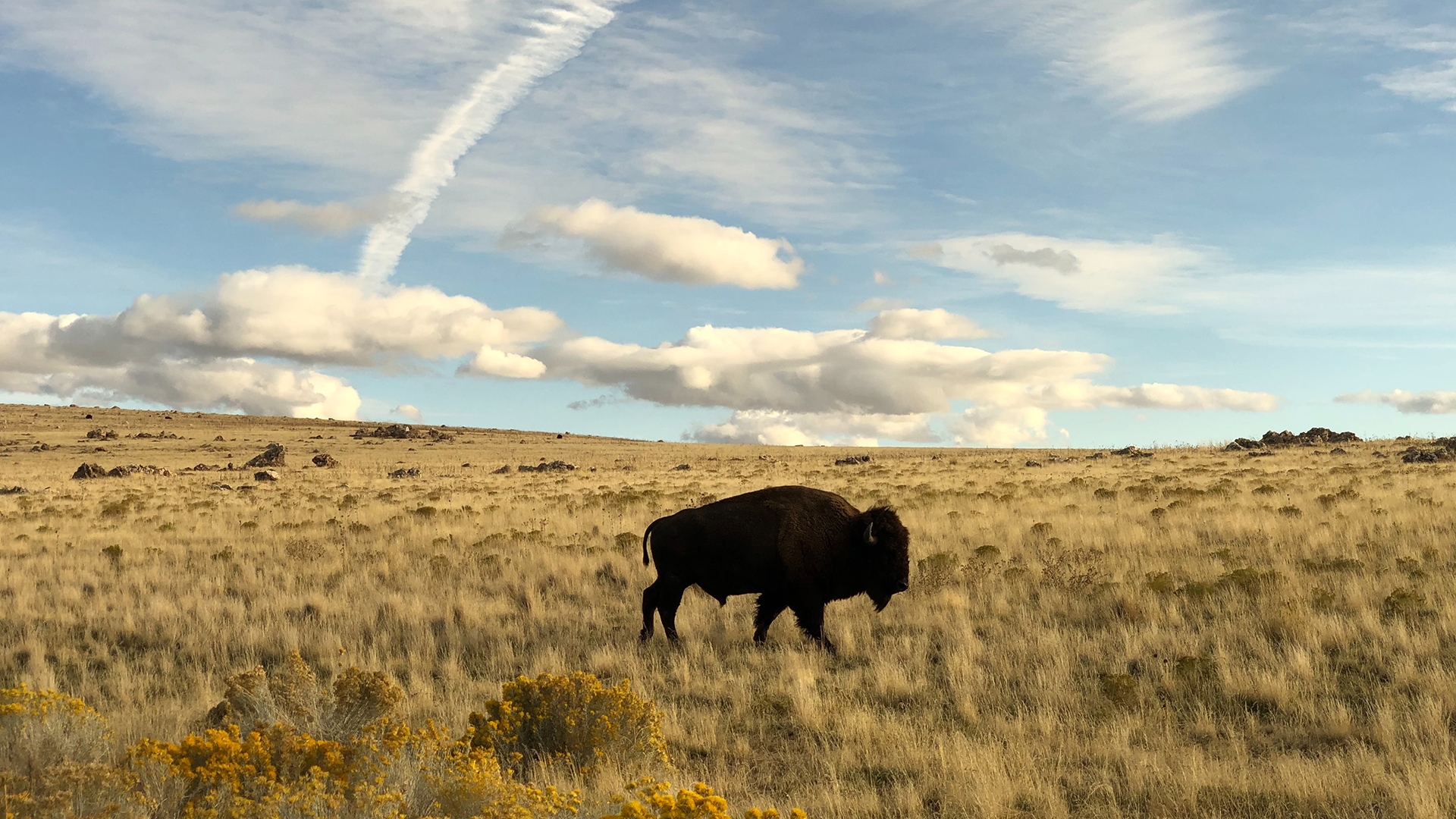
The wind roils the Midwest plains as if it is searching for someone or something to carry away. Dust and chaff funnel into blinding clouds. The clatter of storms overhead makes it impossible to hear, and herds of bison grow restless. The Omaha tribe has wandered these plains for generations, and now, it seems that the winds have brought back one of their own. Susan La Flesche has returned to the village where she was born. Not as a visitor, but as the region’s only doctor.
When Susan was 8 years old, she waited at the bedside of an elderly woman writhing in pain. A doctor was called for. They waited. A messenger was sent. The doctor still didn’t come. Susan provided what comfort she could through the night, but by sunrise, the elderly woman had died.
The episode both haunted and motivated Susan. She threw herself into her studies and earned her way to what is now Hampton University in Virginia — a historically Black college with a program for Native American students. She learned French in addition to the Omaha, English and Otoe languages she already spoke. She often quoted Shakespeare and scripture. And she finished second in her class.
Susan would never forget the childhood she enjoyed, full of powwows, buffalo hunts and the people she loved. But there was further to go. She enrolled in the Women’s Medical College of Pennsylvania, a tedious train ride away from the world she knew. It was 1886, and the Victorian age held stiff against the progress of women. In her graduation speech from Hampton, she told the East Coast audience, “Give us a chance.” Three years later, she was a doctor.
Returning to the plains to serve her people was a difficult task. She opened an office in the government boarding school and began seeing patients. The lines were long, old and young seeking reprieve from cholera and tuberculosis as well as a slew of other ailments. Susan worked long hours at her office but also braved the wind and snow, walking miles to make house calls. Her work was more than as a physician. She often acted as lawyer, accountant, priest, political liaison and counselor as she helped the Omahas navigate the new world.
The wind that whipped across the plains was the wind of change. And Dr. Susan La Flesche was determined to spend her entire life helping her people navigate the storms.
Press On... PassItOn.com®
Copyright ©2022 The Foundation for a Better Life. All rights reserved. Available under a Creative Commons Attribution NonCommercial-NoDerivatives 4.0 License (international): https://creativecommons.org/licenses/by-nc-nd/4.0/

The Foundation for a Better Life, a 501(c)(3) non-profit organization, gives your newspaper permission to publish these stories in print and electronic media (excluding audio and video), provided the stories are published in their entirety, without modification and including the copyright notice. For any modification, permission must first be obtained from the Foundation by emailing media-relations@passiton.com. Thank you.
We add new stories each month. If you'd like to be notified when we publish new stories, enter your information below.